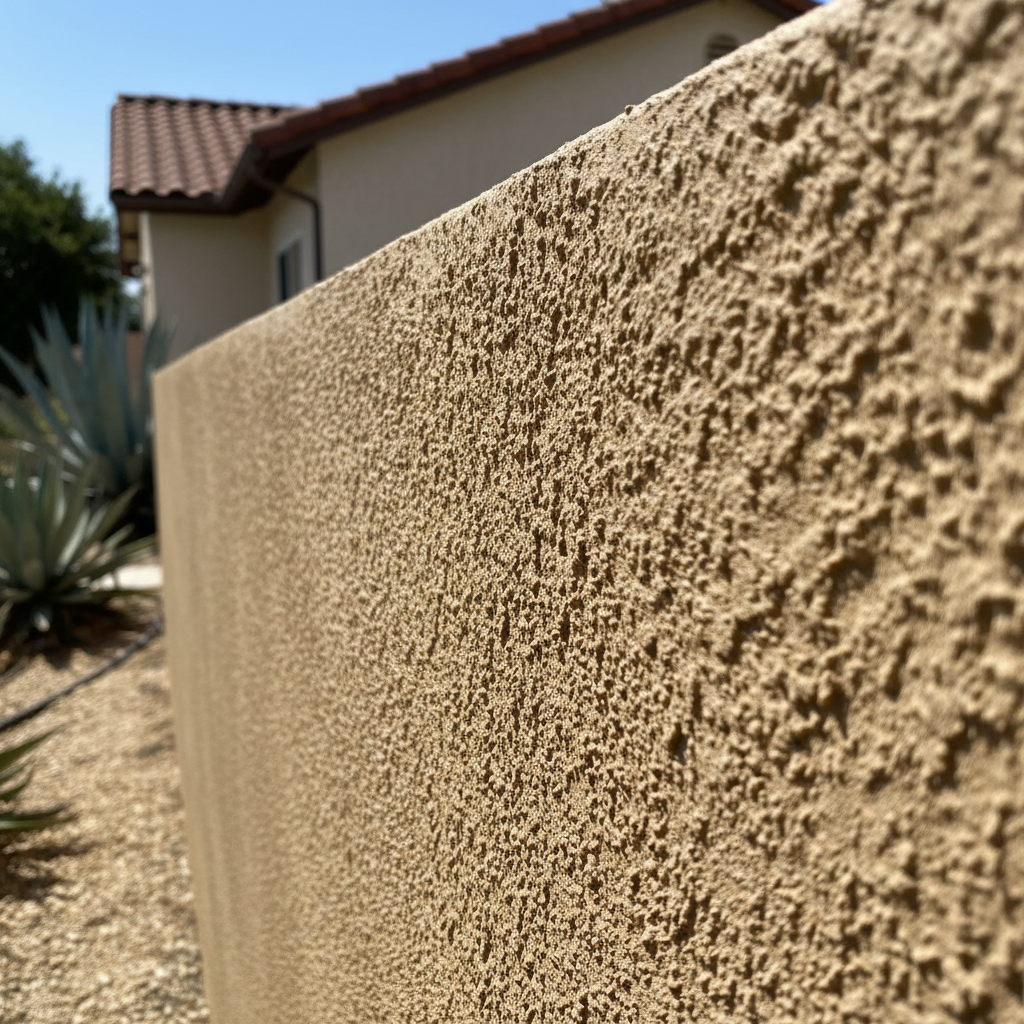
Alright, let's talk stucco. You've got it on your North Hollywood home, and you know it's a big part of your curb appeal and protection. But how often do you really look at it? I'm not talking about a quick glance as you grab the mail. I mean a proper check-up. A lot of folks think any stucco issue means calling in a professional right away. Sometimes, you absolutely should. But there's plenty you can do yourself to keep an eye on things, spot potential problems early, and even prevent bigger headaches down the line.
Before You Start: Get Ready to Look
First off, you need to be prepared. This isn't brain surgery, but you'll want a few things. A good pair of binoculars can be handy for looking at higher spots without a ladder. A flashlight, even in daylight, helps for peering into shaded areas or under eaves. A small, non-marring tool like a plastic putty knife or even your finger can be useful for gently probing suspicious spots. And a notebook or your phone to snap pictures and jot down observations? Essential. You don't want to forget where that hairline crack was.
Safety first, always. If you're using a ladder, make sure it's stable and you're comfortable. Don't take unnecessary risks. If something's too high or unstable, that's when you know it's time to call someone like us at Synergy Stucco North Hollywood.
During the Inspection: What to Look For (DIY Edition)
Okay, let's get down to brass tacks. Walk around your entire house. Take your time. Don't rush it. Here's what you're looking for:
- Cracks: Not all cracks are created equal. Hairline cracks, especially around windows, doors, or where different materials meet, are pretty common. They're often just surface-level and due to normal expansion and contraction. Keep an eye on them. If they get wider, longer, or start branching out, that's a red flag. Bigger, spiderweb cracks, or cracks that seem to go deep into the wall? Those usually mean something more serious is going on underneath, like structural movement or water damage.
- Discoloration or Stains: Dark streaks, especially under windows, near downspouts, or at the base of walls, often point to water issues. Green or black patches could be mold or mildew, which means moisture is hanging around longer than it should. Rust stains can indicate failing metal components behind the stucco, like lath or flashing.
- Bulges or Soft Spots: Gently press on the stucco in various areas. Does it feel solid? If you find areas that feel soft, spongy, or even hollow, that's a big problem. It almost always means water has gotten behind the stucco and is damaging the substrate. This is a definite