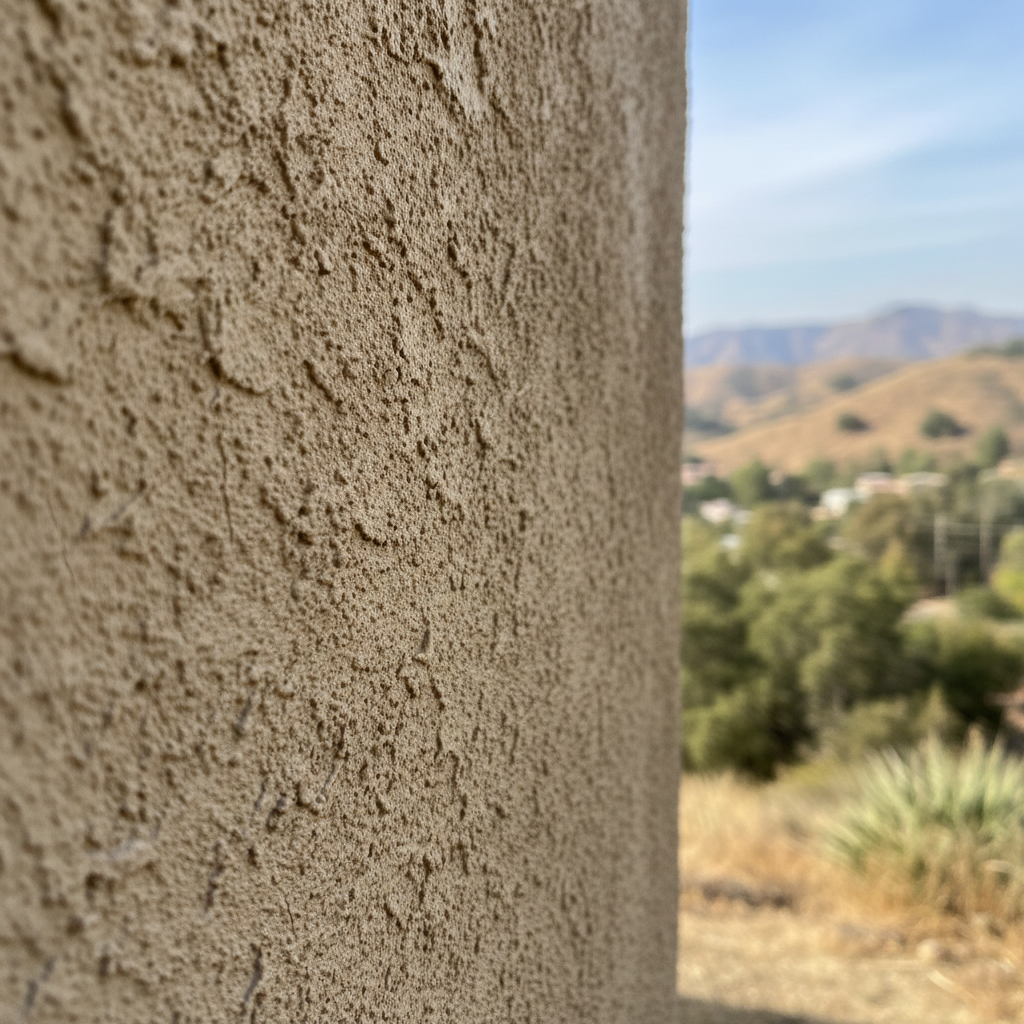
Before You Start: Time to Check Your Stucco
Alright, let's talk about looking at your stucco. You don't need to be a professional inspector for this, just a smart homeowner. Think of it like a regular check-up for your house's skin. Especially here in North Hollywood, with that intense summer sun beating down and those occasional, but sometimes really heavy, winter rains, your stucco really takes a beating. The constant expanding and shrinking from our wild temperature swings—sometimes 30 degrees or more in a single day—can seriously stress the material. Catching small problems early? That can save you a ton of headaches and money later on.
Before you even step outside, grab a notepad, a pen, and your phone; you'll want it for pictures. A small hammer or a rubber mallet will come in handy, and maybe some binoculars for those spots that are tough to reach. Plan to do this during the day, ideally when the sun isn't directly hitting the walls you're checking. You're looking for subtle things, after all, and good lighting helps a lot.
Most experts suggest a full professional inspection every three to five years, but you should definitely be doing your own visual check every year. If your home's stucco is older than 15 years, or if you've had problems before, you might want to do it even more often.
During the Inspection: What to Look For (and Listen For)
This is where you turn into a detective. Walk all the way around your house, taking your sweet time. Seriously, don't rush it. Pay extra close attention to areas around windows, doors, rooflines, and any place where something goes through the stucco, like pipes or electrical boxes. These are prime spots for water to sneak in, you know?
What You Can Do Yourself: The Visual & Sound Check
- Cracks: Hairline cracks are pretty common and usually just a cosmetic thing. But if you see cracks wider than 1/16th of an inch, or ones that are spreading, those are big red flags. Look for patterns, too – step-cracks in a foundation or large, localized cracks could point to bigger issues.
- Discoloration & Stains: Dark streaks, especially brown or rust-colored ones near windows, doors, or rooflines, mean moisture is getting trapped behind the stucco. White powdery residue (that's called efflorescence) is another sign of moisture.
- Bulging or Soft Spots: Gently press on the stucco in different areas. If it bulges out, feels soft or spongy, or sounds hollow when you tap it with your mallet, that's a serious sign of moisture damage underneath. This often means the sheathing or framing is compromised.
- Gaps & Sealant Issues: Check all the caulking around windows, doors, and where the stucco meets other materials. If it's cracked, brittle, or missing, water's got an open invitation to come right in.
- Drainage: Make sure your gutters and downspouts are clear and sending water away from your foundation. Look for splash blocks. Poor drainage is a huge reason stucco fails.
- Insect Activity: Small holes or increased insect activity, especially termites or carpenter ants, could mean they're getting behind your stucco and into the wood.
When to Call a Pro: Beyond the DIY
If you find any of those serious warning signs—like wide cracks, significant discoloration, bulging, soft spots, or persistent moisture issues—it's time to bring in an expert. Don't try to patch over these problems yourself; that's just asking for trouble. A professional stucco inspector has specialized tools, like moisture meters and thermal imaging, to find hidden water damage that you simply can't see.
They can also do invasive inspections, which means drilling small holes to get accurate moisture readings and confirm hidden damage. This is super important because water damage can travel far from where it first got in, causing rot, mold, and structural issues that are incredibly expensive to fix if you let them go.
A good pro will give you a detailed report, often with photos and recommendations for repair. Sometimes, they'll even recommend a third-party invasive inspection before any repair work starts, just to make sure everyone's on the same page about how bad the damage really is. Here at Synergy Stucco North Hollywood, we often work with these reports to make sure we're fixing the root cause, not just the symptom.
After the Inspection: What's Next?
So, you've done your inspection, or maybe a pro did it. Now what?
- Minor Fixes: If you only found small hairline cracks (less than 1/16th inch) or some worn caulk, you can probably handle these yourself with a good quality stucco caulk or patching compound. Just make sure you match the color and texture as best you can.
- Professional Repairs: For anything more serious, get quotes from reputable stucco contractors. Make sure they understand the specific challenges of stucco in our North Hollywood climate – the heat, the temperature swings, and the occasional heavy rain. They should be able to explain their repair process, including how they'll address any underlying moisture issues.
- Post-Repair Check: Once repairs are done, do another visual inspection. Make sure the repaired areas blend in well, and that any flashing or sealing looks tight and properly installed. Professional post-repair inspections can verify that the work meets standards and that moisture issues are resolved.
Keeping an eye on your stucco is just part of being a homeowner, especially in a place like North Hollywood. A little attention now can save you from a big headache later.